Mechanical
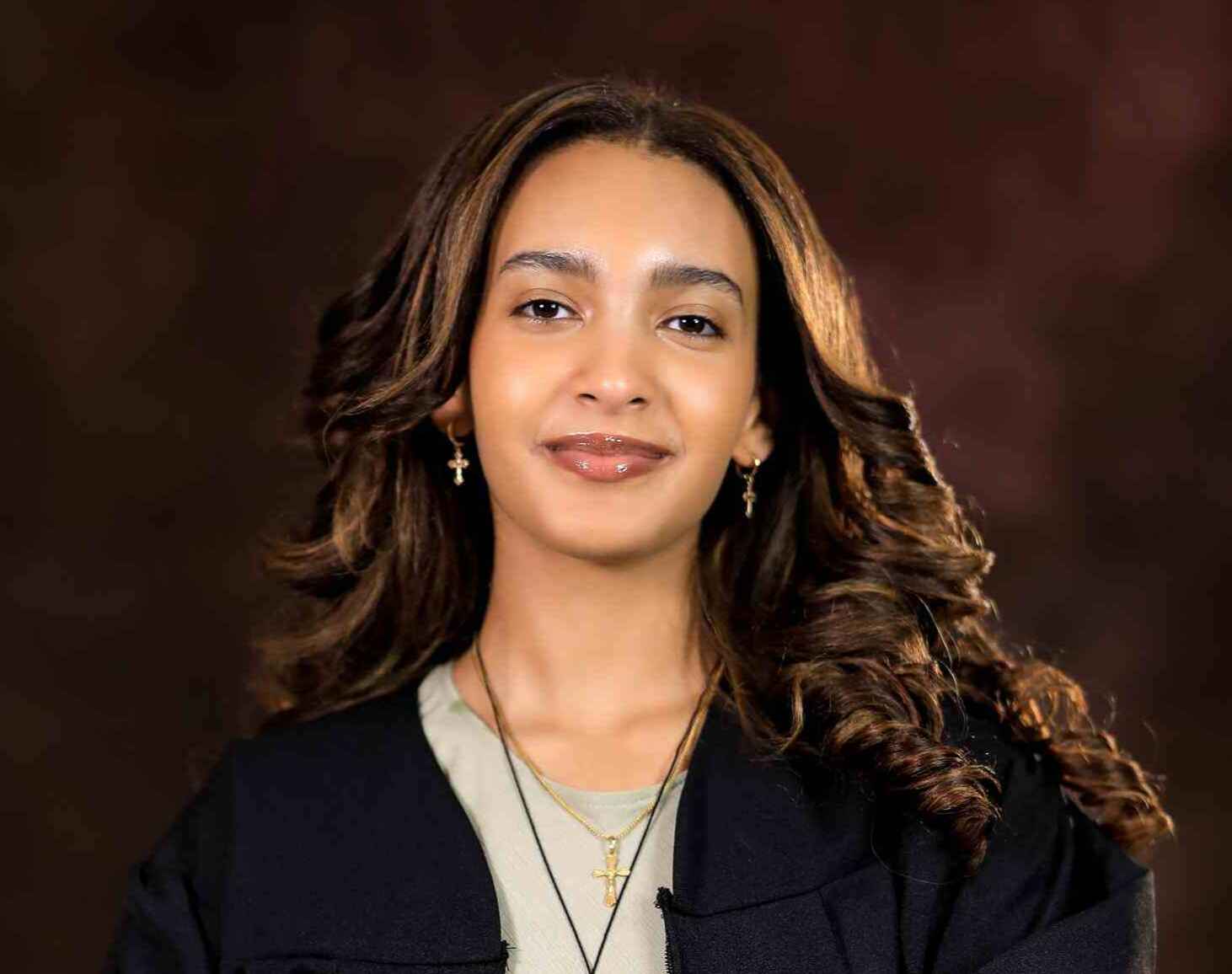
Our team specializes in advancing laboratory automation and instrumentation technologies through a multidisciplinary approach that integrates mechanical design, liquid-handling automation, and microfluidic development. A central effort is a compact, plug-and-play centrifuge engineered for seamless integration with any liquid handler, closing a long-standing gap in fully automated sample preparation. Alongside it, we build liquid-handling and automation platforms that consolidate multi-step protocols into reliable, hands-off pipelines. Underpinning these instruments is microfluidic device development, where we apply the fundamentals of fluid mechanics in microscale geometries to design chips that make complex assays faster, smaller, and more reproducible.
Cell & Tissue Devices
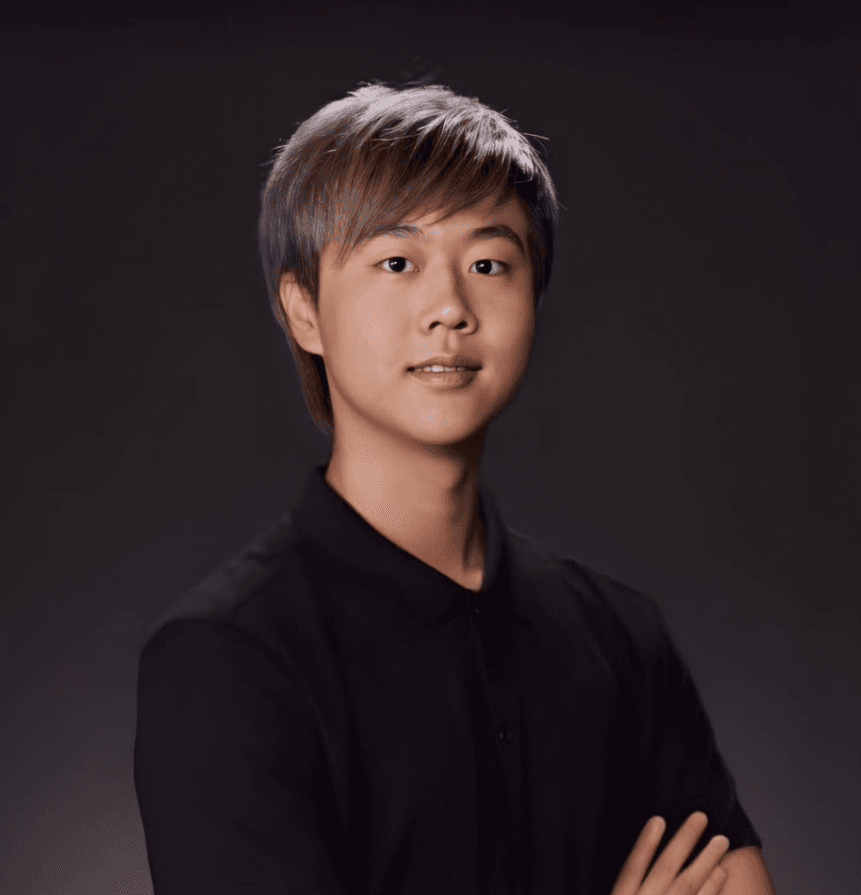
Our team specializes in advancing tissue dissociation and cellular characterization technologies through a multidisciplinary approach that integrates device engineering, multi-omic analysis, and three-dimensional culture. At the core of our work is electric field-based tissue dissociation, a method pioneered in our lab that applies tunable oscillating electric fields to rapidly disrupt cell-cell and cell-matrix interactions, generating high-yield, viable single-cell suspensions without enzymes while preserving native cellular states with minimal transcriptomic perturbation. We pair these methods with downstream assays spanning flow cytometry, bulk DNA and RNA sequencing, and single-cell workflows, since dissociation quality is a critical determinant of data fidelity, population representation, and molecular integrity. Building on advances in 3D culture, we also develop reproducible spheroid and organoid models that capture tissue architecture, disease progression, and therapeutic response, including endometrial organoids developed in collaboration with the Desai lab at Brown.
Bioinformatics & Assay Development
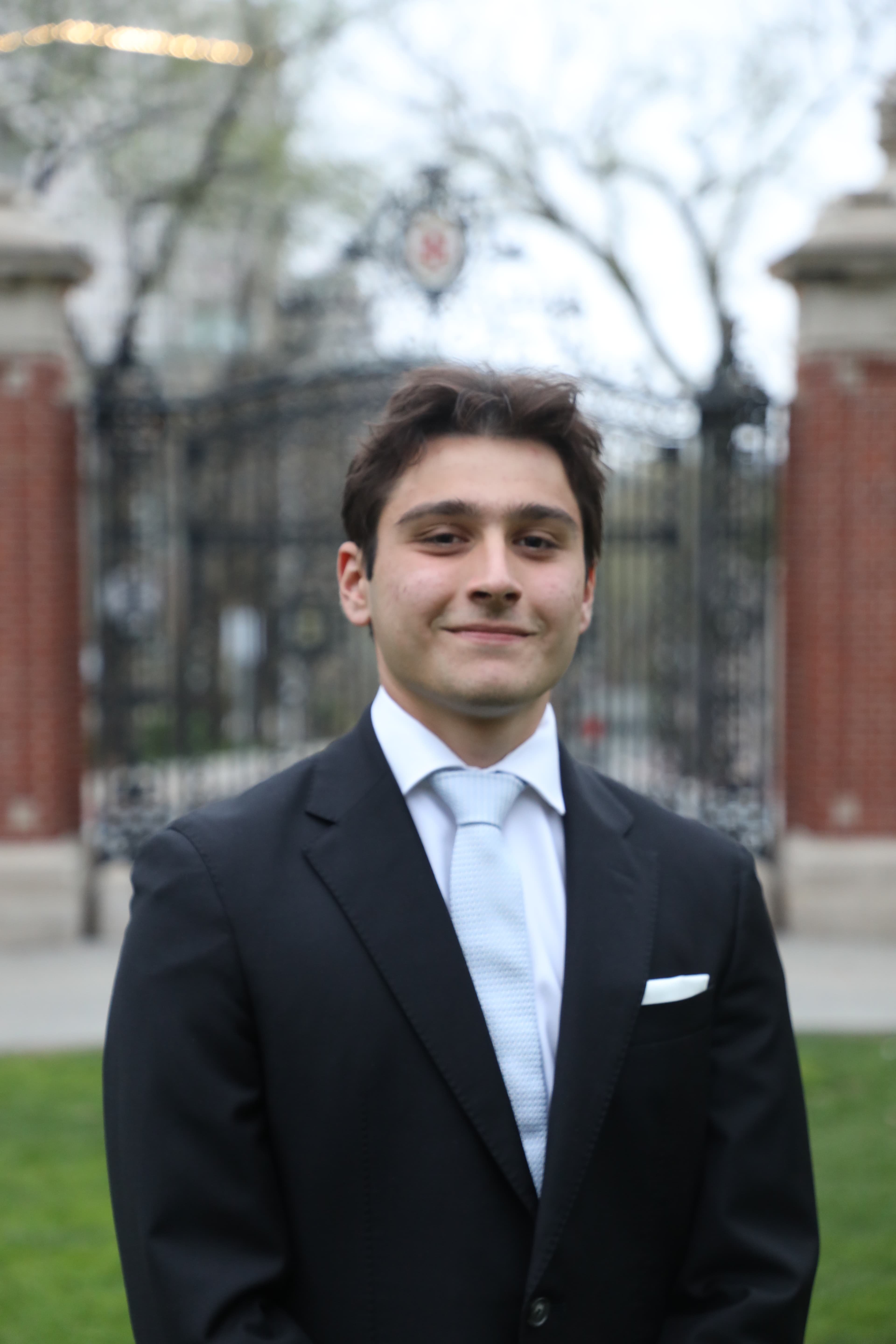
Our team specializes in advancing diagnostic and characterization technologies through a multidisciplinary approach that integrates bioinformatics, device engineering, and assay development. We focus on designing and constructing devices for high-throughput screening and characterization, aiming to make complex biological workflows accessible, simplified, and scalable. Our expertise extends to developing assays that streamline new automated workflows for diagnostic procedures, ensuring precision and reliability in clinical settings. Additionally, we conduct bioinformatics projects to support next-generation sequencing (NGS) and targeted sequencing efforts, providing valuable insights and solutions for genetic and proteomic data interpretation.
Spatial Biology / Tissue Processing + Devices & Assay Development
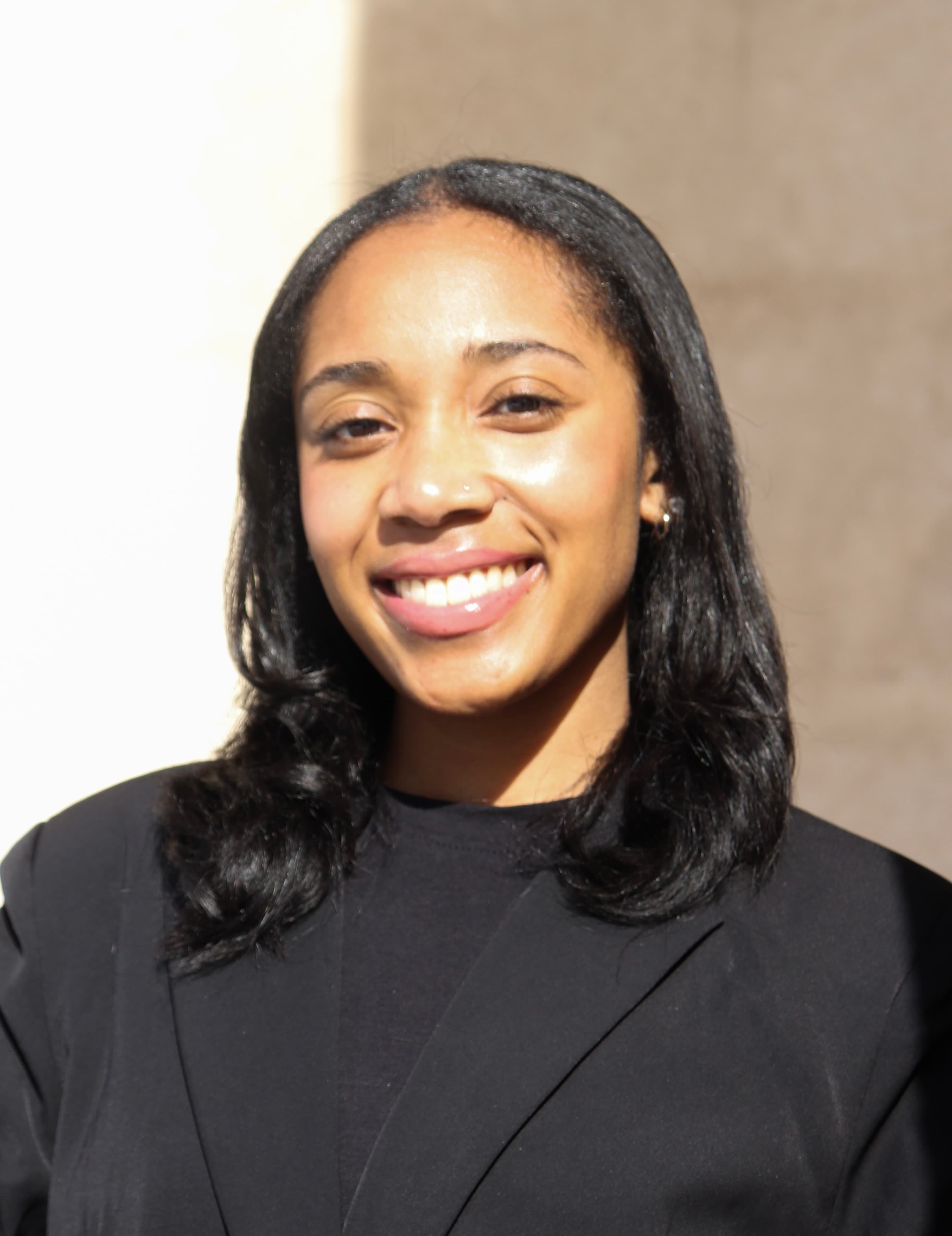
Our team specializes in advancing spatial biology and tissue-processing technologies through a multidisciplinary approach that integrates spatial imaging, genomic assay development, and ultrasensitive detection. Using spatial imaging and omics, we discover and identify biomarkers for rare conditions of the musculoskeletal system such as osteoporosis and osteogenesis imperfecta. On the genomics side, we develop devices and assays that bring high-throughput automation to DNA conversion, bisulfite conversion, reagent stabilization, and DNA extraction. Our detection and quantification work applies a nanoneedle approach to measure AAV capsids and genome length for gene-therapy quality control, and to detect and quantify musculoskeletal biomarkers in biofluids.